Therapy Options
Science is moving faster than ever — and Iris's biology gives researchers real tools to work with. There are no FDA-approved therapies for MRPL39 disease today, but the platforms that could change that already exist. Iris's family is actively working to bring the right researchers to the table.
MRPL39 is a nuclear gene — and that's a reason for real optimism
Most mitochondrial diseases are caused by mutations in the mitochondria's own DNA (mtDNA) — a circular genome that is notoriously difficult to target with gene therapy tools. MRPL39 is different. It lives in the cell's nucleus, encoded in the same genomic DNA that all other gene therapy targets are found in.
This is scientifically significant: nuclear genes are accessible to AAV-mediated gene delivery, antisense oligonucleotides, CRISPR genome editing, and splice-switching strategies in ways that mtDNA targets simply are not.
Furthermore, one of Iris's two mutations — the maternal intronic variant — creates an aberrant splice site. Splice-switching antisense oligonucleotides (ASOs) could theoretically redirect splicing back toward the correct transcript, providing partial functional rescue even without correcting the underlying DNA.
These are not fantasies. They are real, validated platforms that have produced FDA-approved drugs for other genetic diseases. The question is whether the field will turn its attention to MRPL39 — and whether Iris's story can help make that happen.
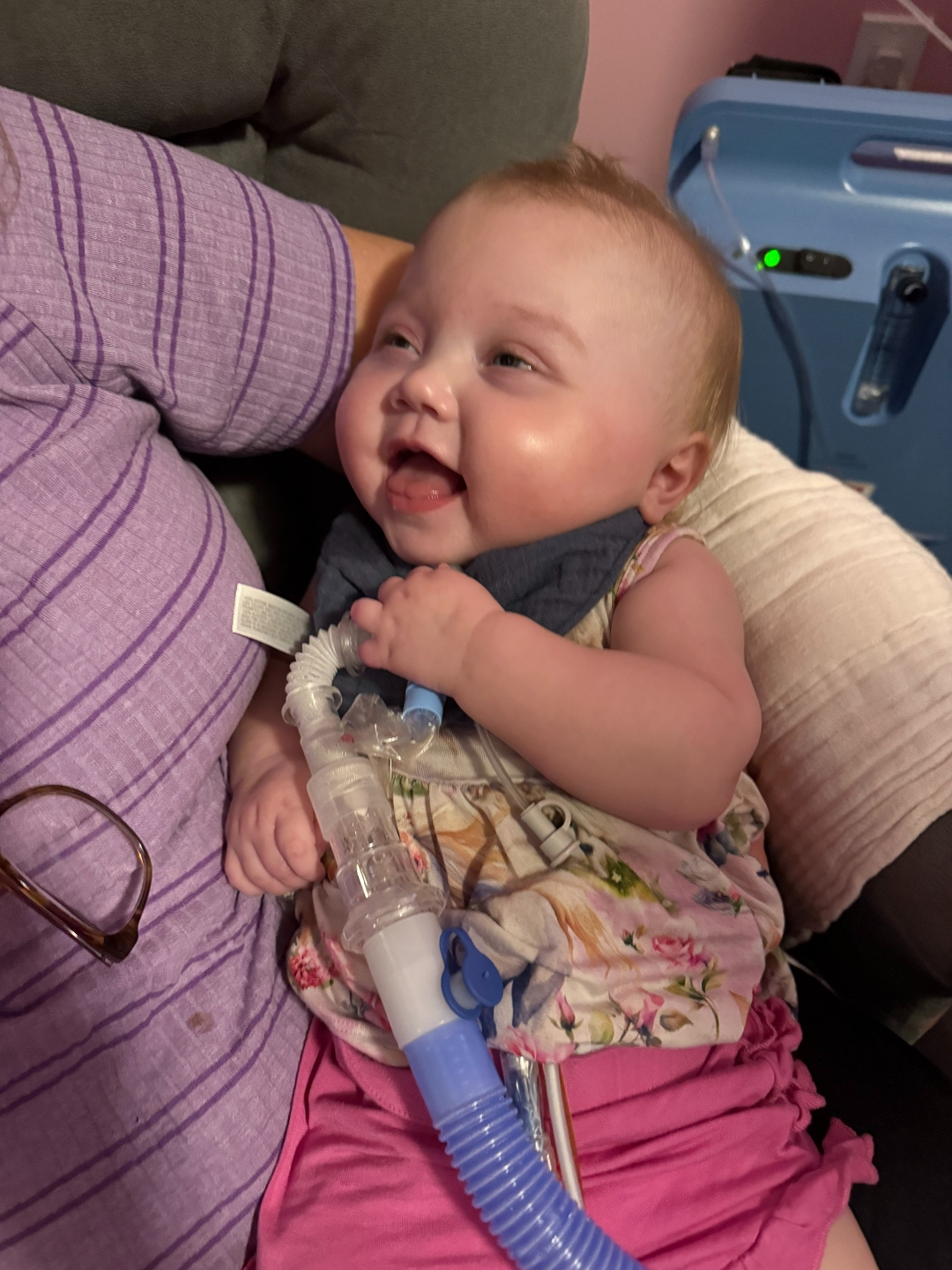
Therapeutic strategies with genuine promise
These are not experimental long-shots — they are established scientific platforms that have already produced FDA-approved treatments for other genetic diseases. MRPL39's nuclear location makes Iris an especially tractable target for several of them.
AAV-Mediated Gene Replacement
Research / PreclinicalAdeno-associated virus (AAV) vectors can deliver a functional copy of a nuclear gene to target cells. For MRPL39, an AAV carrying a corrected MRPL39 coding sequence could restore mitoribosomal assembly and downstream OXPHOS protein production. AAV gene therapy has achieved regulatory approval for other metabolic diseases (including spinal muscular atrophy and aromatic L-amino acid decarboxylase deficiency), establishing the platform's feasibility in neurometabolic conditions.
Key unknowns for MRPL39-directed AAV: optimal serotype for brain and heart tropism, dosing, timing, and whether early intervention before significant neurological injury preserves meaningful function. Patient-derived cellular models would be essential for preclinical validation.
High. MRPL39 is nuclear, compact, and well-characterized. Both alleles are loss-of-function — gene replacement does not need to distinguish between them. A single functional copy could potentially restore protein. The family is actively seeking AAV research groups interested in MRPL39-directed work.
Splice-Switching Antisense Oligonucleotides (ASOs)
Target IdentifiedAntisense oligonucleotides (ASOs) are short synthetic nucleic acids that bind to pre-mRNA and redirect splicing. For Iris's maternal variant — the deep intronic c.589-924G>A — this mutation creates a cryptic splice site that causes pseudoexon inclusion and near-complete loss of correctly-spliced MRPL39 transcript. A splice-blocking ASO targeting the pseudoexon could theoretically suppress aberrant inclusion and restore normal splicing.
This strategy has direct regulatory precedent: nusinersen (Spinraza) for SMA is an ASO that redirects SMN2 splicing and is now a standard of care. While RNA-sequencing and mechanistic validation specific to MRPL39 would be required, the maternal allele's splice defect is a compelling and drug-like target.
Very high for the maternal allele. Splice correction would not address the paternal frameshift, but partial restoration of correctly-spliced transcript could provide meaningful functional benefit — especially in combination with gene replacement or allele-specific approaches.
Patient-Derived Cellular Models (iPSC & Fibroblasts)
Foundation WorkBefore any therapy can be tested in Iris, researchers need disease models. Patient-derived fibroblasts from Iris could be used immediately for biochemical and functional studies — measuring MRPL39 expression, mitoribosomal assembly, and OXPHOS activity. These cells could also serve as the readout system for testing splice-correction ASOs or small molecule approaches.
Induced pluripotent stem cell (iPSC) derivation would enable cardiomyocyte and neuron models — the cell types most affected in Iris — for more disease-relevant preclinical rescue studies and therapeutic endpoint development.
This is the foundational work that makes all other strategies possible. The family is open to facilitating patient-derived sample collection under appropriate ethical oversight. Any lab interested in developing MRPL39 models should reach out through the clinician portal.
Natural History Studies & Registry Inclusion
Immediately AvailableFewer than 50 patients with MRPL39 disease have been reported in the literature. Natural history data is sparse. Iris's case — which is unusually deeply phenotyped with serial EEG, MRI/MRS, cardiac imaging, nutritional data, and RNA sequencing — represents an extraordinary data point for the field.
Inclusion in natural history registries for Leigh Syndrome or mitochondrial translation disorders would help define the clinical spectrum of MRPL39 disease, identify biomarkers, and provide the historical control data needed to design and power future therapeutic trials.
Directly relevant and immediately actionable. Iris's family is ready to participate in any natural history study, registry, or phenotype-expansion effort. Contact the family through the clinician portal to discuss fit.
Supportive & Symptomatic Therapies
Current CareWhile no disease-modifying therapy exists, Iris receives a comprehensive supportive care regimen. Mitochondrial "cocktail" supplements — including CoQ10, riboflavin, thiamine, L-carnitine, and antioxidants — are standard supportive care in Leigh Syndrome, though evidence for disease modification is limited. Their primary goal is to support residual mitochondrial function and reduce oxidative stress.
Cardiac management with beta-blockade and careful fluid management addresses her hypertrophic cardiomyopathy. Autonomic intervention — including botulinum toxin to reduce defecation-triggered vagal events — has been associated with meaningful clinical improvement in her respiratory stability.
These approaches stabilize Iris today and buy time for disease-modifying strategies to develop. Her family's goal is to keep her as stable and healthy as possible while the scientific community races toward a real answer.
The world knows almost nothing about MRPL39 disease. Iris can help change that.
Every patient enrolled in a natural history study, every fibroblast line banked, every phenotype published expands the knowledge base that future therapy development depends on. Iris's family is committed to contributing everything they can.
Connect With the Family →How donations fund her current care
While the research community works toward a cure, your donations keep Iris stable, safe, and cared for at home with her family.
Home Ventilator
Iris requires chronic ventilator support for central respiratory instability. Equipment, consumables, and maintenance are ongoing costs not fully covered by insurance.
24/7 Nursing
Skilled nursing care at home is required around the clock given the complexity of Iris's medical needs. This is the single largest ongoing cost her family faces.
TPN & Central Line
Iris receives all nutrition intravenously through a dual-lumen Broviac central line. Parenteral nutrition, supplies, and monitoring are continuous expenses.
Specialist Consultations
Cardiology, neurology, pulmonology, genetics, and metabolic medicine specialists are all part of Iris's care team. Consultations — including at leading centers — cost money and time.
Adaptive Equipment
Communication devices, positioning equipment, developmental therapy supports, and adaptive tools help Iris engage with her world and develop as fully as possible.
Research Outreach
Connecting with scientists, attending conferences, funding model development, and facilitating collaboration requires financial resources. This investment could be the one that saves her life.